I Tried the Viral Pantry Organization Trend for 30 Days Here’s What Actually Happened
The Breaking Point
It was 11:47 PM on a Tuesday when I lost it.
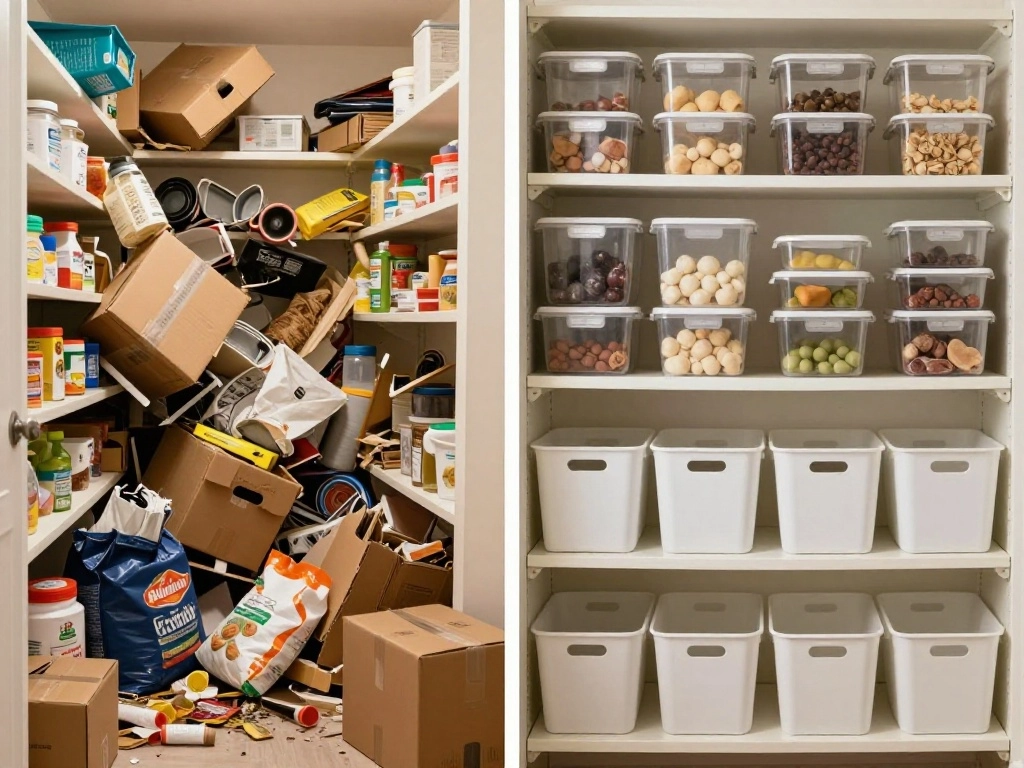
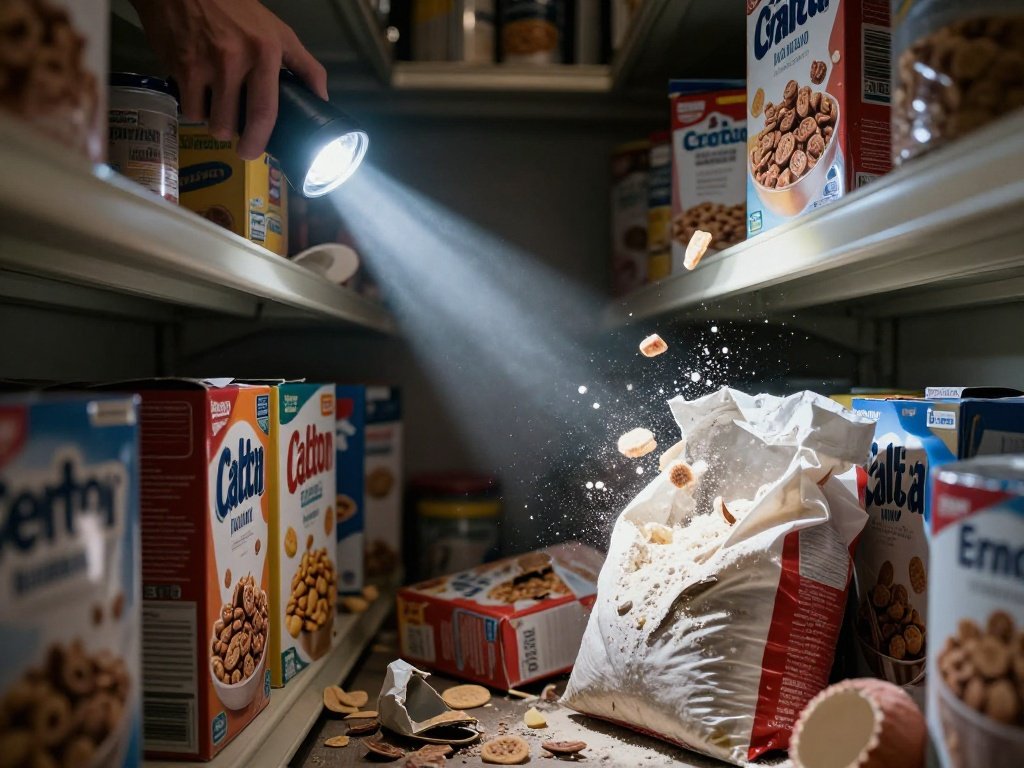
Not dramatically—no throwing things, no tears. Just a quiet, defeated sigh as I stared into my pantry for the third time that week, certain I’d bought jasmine rice two days ago. It wasn’t there. Or maybe it was, buried behind a half-crushed box of cereal and a bag of flour I’d opened in 2024.
I bought another bag. Again.
That’s when I realized: my pantry wasn’t just messy. It was costing me money, time, and my sanity.
So when I kept seeing those impossibly satisfying pantry restock videos on my feed rows of matching containers, perfect labels, that crinkle sound as rice pours into an airtight bin I decided to stop scrolling and start testing.
For 30 days, I’d live with the viral pantry organization system. Not just set it up for photos. Actually live with it.
Here’s what really happened.
What Everyone’s Promising (And What They’re Not Telling You)
The Promise:
- Never buy duplicates again
- Meal prep becomes effortless
- Your pantry looks like a magazine spread
- Life feels calmer, simpler, together
The Reality Check:
By day three, I learned the hard truth: containers don’t organize your pantry. Habits do.
The system only works if:
- Your whole household actually follows it (good luck with that)
- You’re willing to spend 20 minutes every week maintaining it
- Some foods simply refuse to play nice with decanting
- You don’t go broke buying 40 matching containers
The “secret” isn’t aesthetic. It’s behavioral.
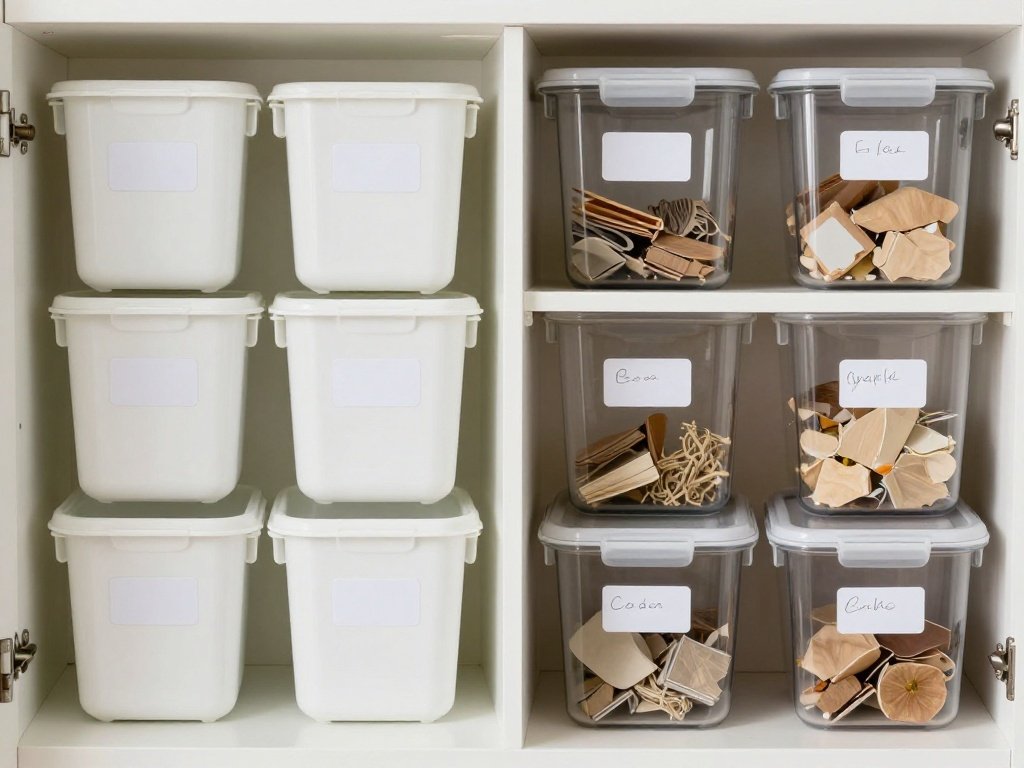
Day 1: The Great Purge (Or: Why Do I Own This?)
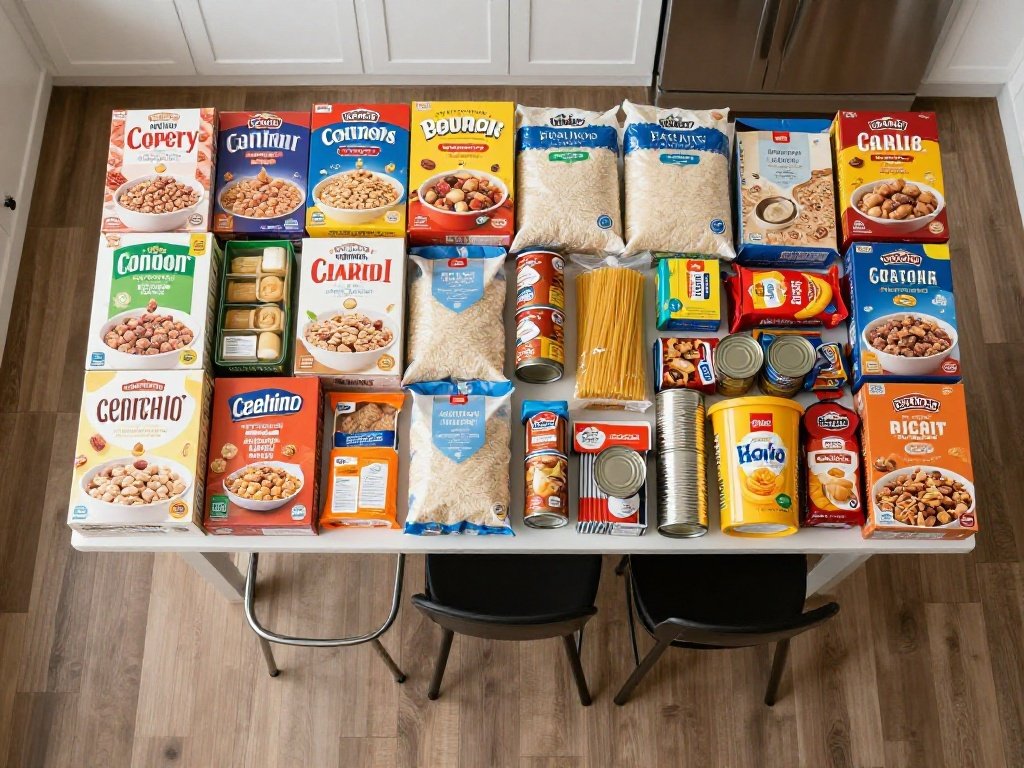
I pulled everything out. Every box, bag, jar, and mysterious packet. My kitchen table disappeared under an avalanche of pantry items.
What shocked me:
- I had three different types of rice all partially used. Why?
- Ingredients I’d bought for one recipe in 2024, never to be seen again
- Expiration dates weren’t the problem. Forgotten items were.
The Keep Pile:
- Weekly staples (rice, pasta, oats, flour, cereal)
- Baking supplies (after combining duplicates)
- Snacks but with actual limits this time
The Toss/Donate Pile:
- Anything stale or open for months
- Specialty ingredients from failed recipe experiments
- That bag of quinoa I bought out of guilt
By the end of Day 1, my pantry was embarrassingly empty. But for the first time, I could actually see what I had.
Week 1: Building a System That Doesn’t Suck
This is the Instagram-worthy part: matching containers, labels, satisfying decanting. But I approached it like a small-space, real-budget, actual-human project.
The System I Actually Built:
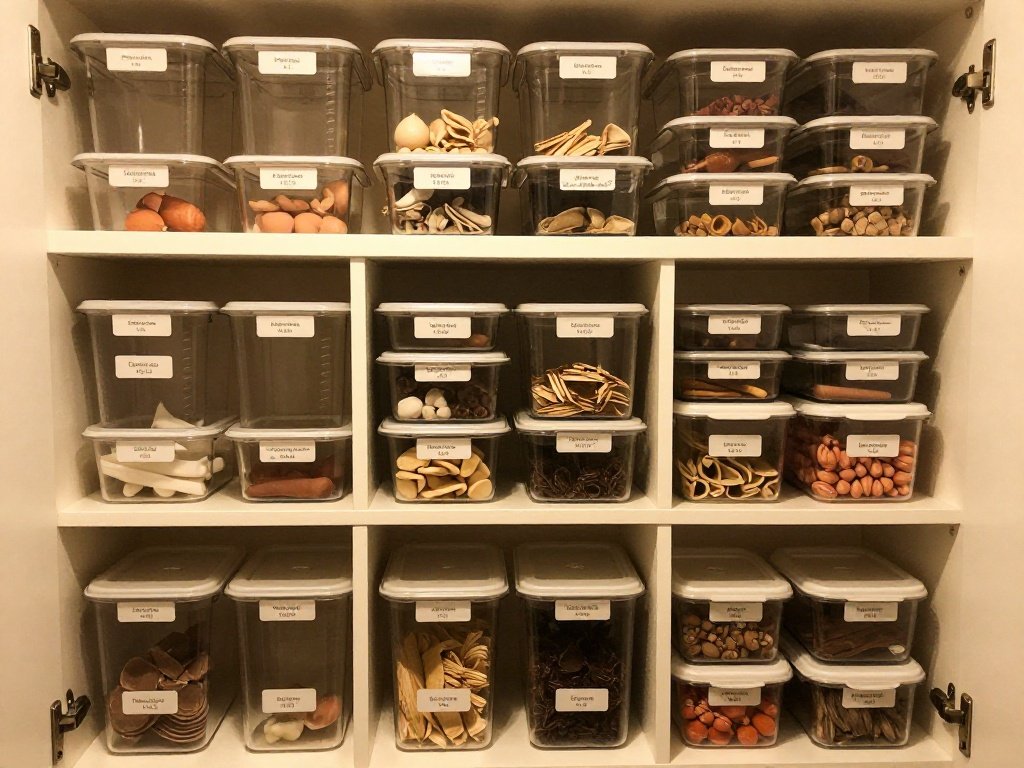
1. Zones (This Changed Everything)
- Breakfast zone: Oats, cereal, pancake mix
- Baking corner: Flour, sugar, baking powder, vanilla
- Dinner staples: Rice, pasta, canned tomatoes, broth
- Snack station: Granola bars, crackers, nuts
- Backstock shelf: Extras only—limited space
2. Containers Only Where They Made Sense
I decanted:
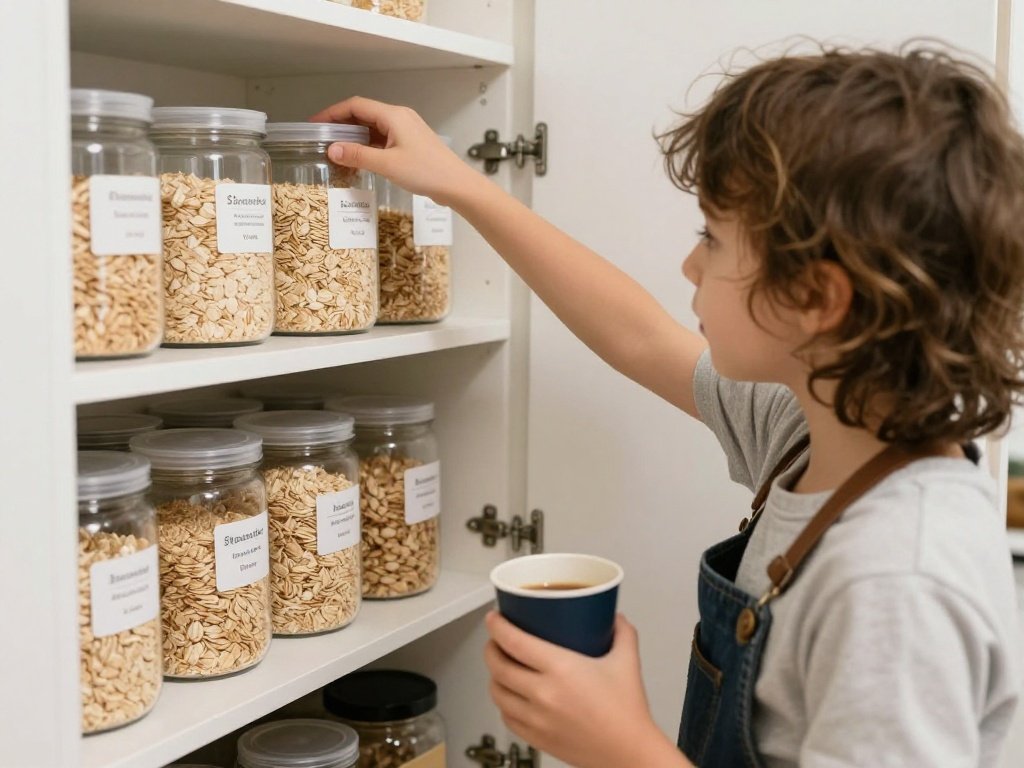
- Rice, oats, flour, sugar, cereal, pasta
I DIDN’T decant:
- Chips and crackers (they go stale faster when I’m constantly opening big containers)
- Odd-shaped bags that clip shut just fine
- Anything we buy once a year
3. Labels That Don’t Require a Design Degree
Clear. Readable. Fast.
- “Rice—Jasmine” not “✨Jasmine Rice✨”
- No dates on labels (I knew I’d never update them weekly)
- Kept expiration dates on original packaging when needed
The Real Cost:
Influencers make it look cheap. It’s not. But I kept costs down by:
- Reusing jars I already had
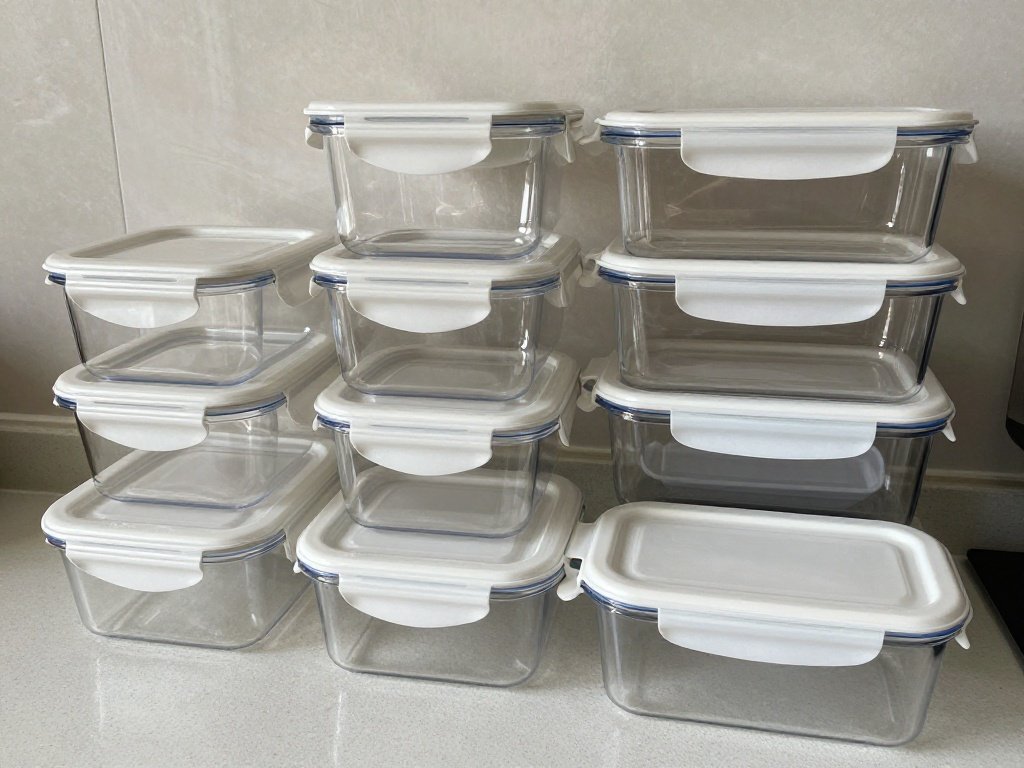
- Buying uniform containers only for high-volume staples
- Using bins to group categories instead of containerizing everything
Total spent: ~$85 (not $300+)
Week 2: When Real Life Hits
Freshly organized pantries are easy. Week 2 is when the truth shows up when you’re tired, hungry, and just need dinner now.
What Actually Got Easier:
Grocery shopping became mindless.
No more guessing. If the rice container was half empty, it went on the list. Done.
Cooking got faster.
No more digging behind boxes. Zones made grabbing ingredients almost automatic.
Snack control real control.
One bin per category. If it didn’t fit, we didn’t need it. This simple rule stopped so many impulse purchases.
The Unexpected Win: Less Waste
Because I could see everything, we actually used:
- The half bag of lentils hiding in the back
- The weird pasta shape I’d forgotten about
- Baking supplies that had been sitting there for months
By the end of Week 2, the pantry looked about 80% as good as Day 1. In real life? That’s a win.
Week 3: The Problems Nobody Talks About
This is when I hit the downsides that never make it into those satisfying restock videos.
Problem 1: Not Everyone Plays Along
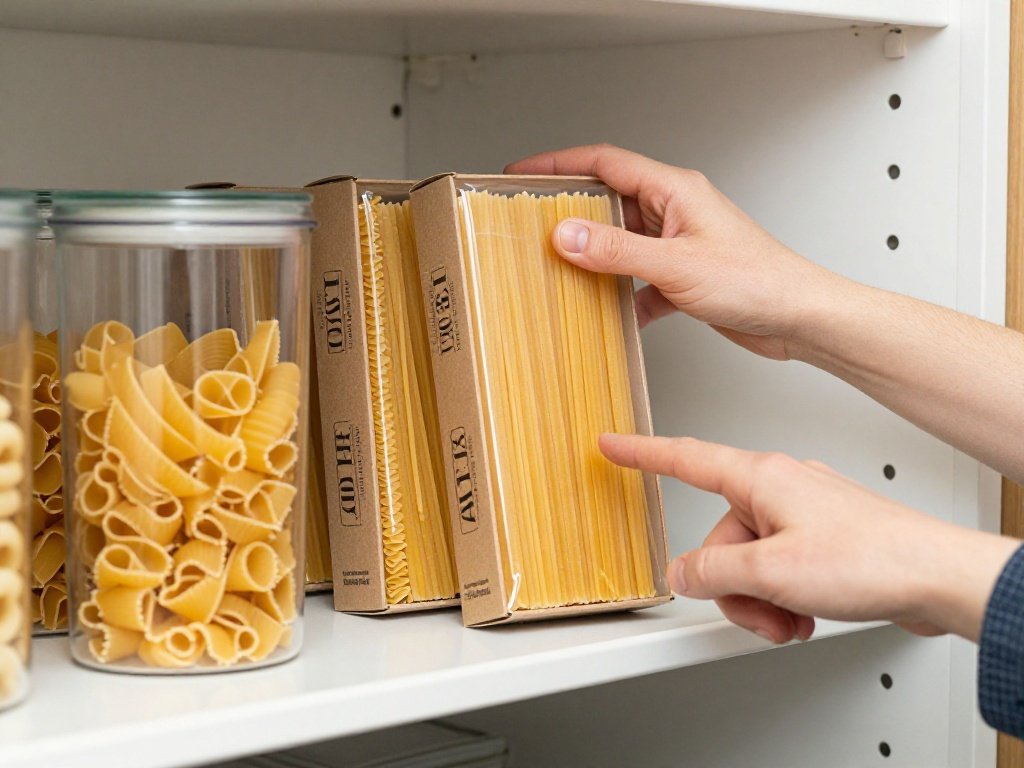
My partner opened a new box of pasta and just… left it on the shelf. Now I had duplicates again just prettier ones.
The Fix: I created a “Decant Here” basket. New dry goods go there until I pour them into containers. It’s not perfect, but it’s better.
Problem 2: Some Containers Are Annoying
A few were too tall for my shelves. Others had lids that required two hands and a prayer. Anything that adds friction gets avoided every time.
The Fix: I swapped out the worst offenders and stopped forcing uniformity. Function over aesthetics.
Problem 3: It Still Gets Messy
Decanting reduces packaging chaos, but flour dust still happens. Cereal crumbs still happen.
The Fix: Shelf liners + a 5-minute weekly wipe. That’s it.
Problem 4: Staleness Risk
If you decant snacks without truly airtight storage, you can actually increase waste.
The Fix: Airtight containers only for items we finish quickly. Clips for the rest.
Week 4: The Verdict
By Day 30, my pantry had survived:
- Rushed mornings
- Weeknight dinner chaos
- A full grocery restock
- Real human use
What Stayed Better:
✅ Zones held up. Even when things got messy, they got messy within their zone not everywhere.
✅ Duplicates dropped. I stopped buying rice I already had. Finally.
✅ Snack limits worked. Having a physical boundary reduced random purchases.
What Didn’t Magically Fix Itself:
❌ Skip a weekly reset, and clutter creeps back.
❌ Labels only work when everyone respects them.
❌ Some items simply don’t belong in a decanted system.
The Measurable Results:
- Fewer duplicate purchases (noticeable after just two shopping trips)
- Faster meal prep (no more searching for staples)
- Less expired food (I stopped losing items in the back)
- Lower stress (opening the pantry didn’t feel like opening a closet of shame)
The Honest Truth: Is It Worth It?
Yes—but only if you do it the right way.
What’s Actually Worth Copying:
🎯 Zones + containment bins (not fancy containers for everything)
🎯 Decant your top 6-10 staples (the ones you use constantly)
🎯 A 5-minute weekly reset (beats a 4-hour monthly overhaul)
🎯 Physical limits (snacks and backstock need boundaries)
What’s Optional (Skip These):
⚪ Perfect matching containers
⚪ Fancy labels with cute fonts
Decanting absolutely everything
⚪ The influencer aesthetic
The Bottom Line
Here’s what I learned after 30 days:
The “viral pantry secret” isn’t secret at all. It’s just structure. It’s visibility. It’s limits.
If your pantry is small, your time is limited, or you share a home with people who won’t maintain a high-effort system, go with the minimum effective version:
- Create 3-4 zones with bins
- Decant only your most-used staples
- Do a 5-minute reset every week
- Set physical limits on snacks and extras
You’ll get 80% of the benefit without turning pantry organization into a part-time job.
And me? I still open my pantry at night sometimes. But now, instead of dread, I feel something else:
Calm.
And that’s worth more than any matching container set.