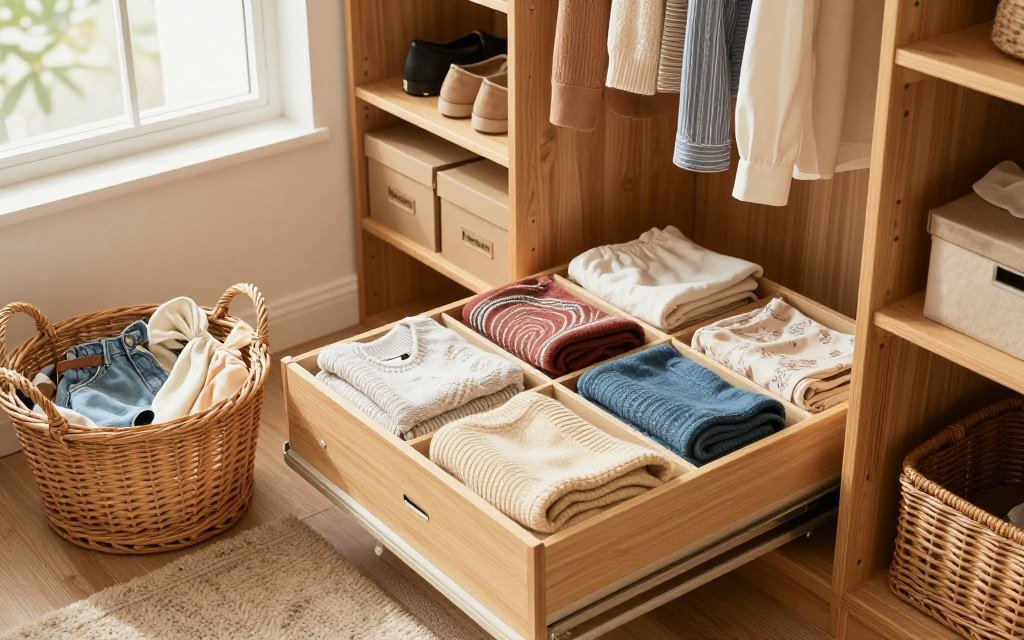
How to Store Seasonal Clothes in a Small Home
We’ve all been there. The weather shifts, and suddenly your tiny closet is overflowing with heavy winter parkas or bulky summer linens. In a small home, a seasonal wardrobe change can feel less like a fresh start and more like a game of Tetris you’re destined to lose.
But here’s the good news: you don’t need a massive walk-in closet to manage your clothes beautifully. You just need a system.
By approaching your seasonal swap with intention, you can tuck away your off-season pieces safely, protect your favorite garments, and reclaim your precious floor space. Let’s turn this chore into a satisfying, streamlined ritual.
Phase 1: The “Three-Month” Edit
Before you even look at a storage bin, you need to edit. Packing away clothes you no longer love is just moving clutter from your closet to under your bed.
The Sorting Strategy:
Pull everything out and ask yourself one question: Will I realistically wear this in the next three months?
- Yes: It stays in your active, easy-to-reach space.
- No: It’s a candidate for seasonal storage.
- Haven’t worn it in a year? It belongs in the donate pile, not a storage box.
Don’t Forget the “Transitional Zone”:
Weather is unpredictable. Don’t pack away everything. Keep a small, accessible selection of versatile layers (like a light cardigan, a denim jacket, or a silk scarf) in your main closet. This saves you from dragging out a massive, dusty bin of winter coats just because of one chilly spring morning.
Phase 2: The Prep Work (Your Future Self Will Thank You)
Storing dirty clothes is the number one reason garments get ruined in storage. Invisible body oils, perfume, and tiny food spills oxidize over time, turning into permanent yellow stains and acting as a beacon for pests.
The Pre-Storage Checklist:
- Wash or Dry-Clean Everything: Follow the care labels religiously. (Yes, even if you think that silk blouse is “clean enough.” Don’t risk it).
each garment for loose buttons, small tears, or broken zippers. Fix them now so the item is ready to wear the moment the season returns. - Bone-Dry is Non-Negotiable: Even a tiny hint of moisture trapped in a bin will invite mildew. Ensure everything is 100% dry before packing.
Phase 3: The Packing Strategy (Fold, Hang, or Compress?)
How you pack dictates how your clothes will look months from now.
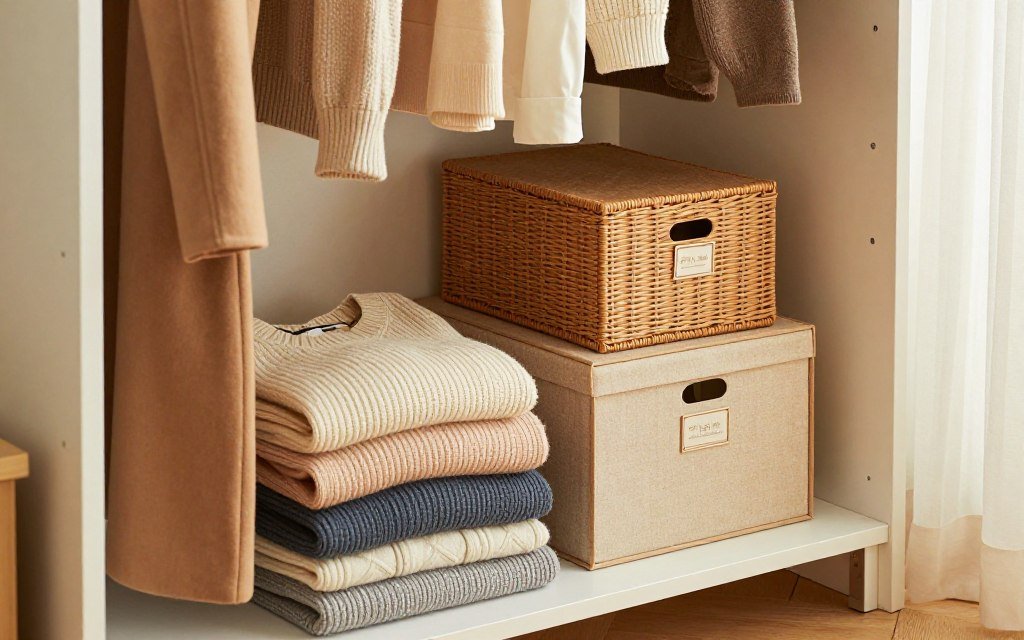
- Knits and Sweaters: Never hang heavy sweaters. Gravity will stretch them out of shape. Fold them neatly. Pro Tip: Slip acid-free tissue paper between the folds of delicate cashmere or wool to prevent permanent creases.
- T-Shirts and Leggings: Use the vertical “KonMari” fold or roll them tightly. This saves massive amounts of space and lets you see every single item at a glance.
- Structured Items: Blazers, wool coats, and formal dresses must be hung. Use wide, contoured wooden hangers to support the shoulders, and cover them with breathable cotton garment bags to keep dust at bay.
⚠️ The Vacuum Bag Warning:
Vacuum-seal bags are a small-space miracle for bulky items like comforters or synthetic puffer jackets. But keep them far away from natural fibers. The extreme compression can crush and permanently damage the delicate scales of wool, cashmere, and silk. If you absolutely must use them for these fabrics, leave a little air in the bag so the fibers can breathe.
Phase 4: Choosing the Right “Armor”
Not all fabrics need the same type of protection. Matching your container to your fabric is the secret to long-term preservation.
| Fabric Type | Best Container | Why? |
|---|---|---|
| Cotton, Denim, Synthetics | Clear Plastic Bins | Keeps dust and moisture out; lets you see exactly what’s inside. |
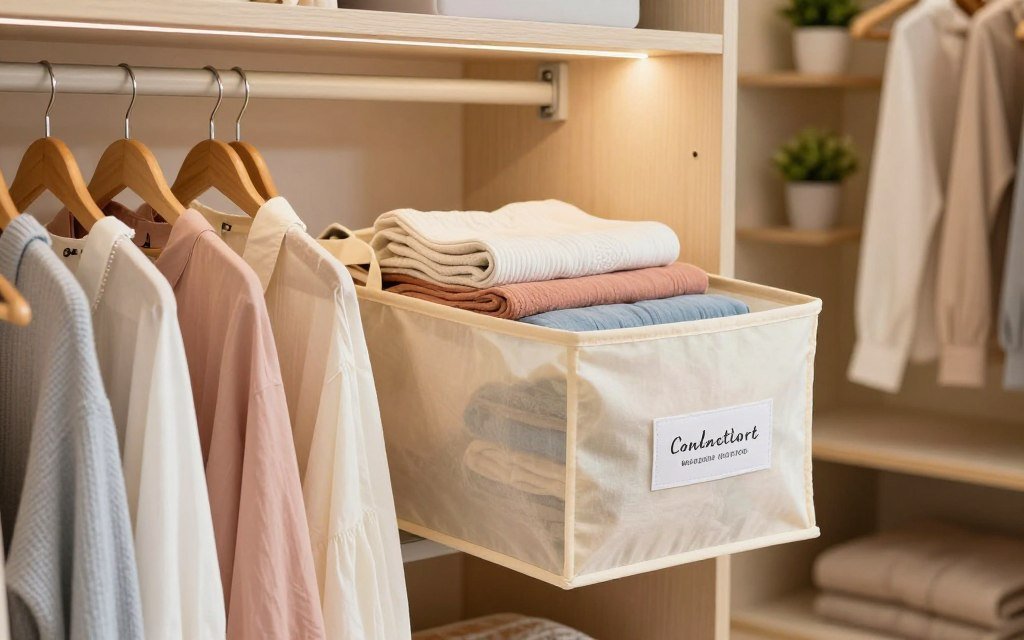
| Wool, Cashmere, Silk | Breathable Cotton/Canvas Bags | Natural fibers must breathe. Plastic traps humidity and causes mildew. |
| Suits, Coats, Dresses | Cotton Garment Bags | Protects from dust and light while allowing essential airflow. |
(Note: If you live in a humid climate, toss a few silica gel packets into your plastic bins to absorb excess moisture.)
Phase 5: The Small-Space Hide-and-Seek
Where do the bins go when your closet is already full? You have to think in 3D.
- The Under-Bed Goldmine: This is prime real estate. Use low-profile, rolling bins (like those from The Container Store) that slide easily. If they don’t have wheels, add felt pads to the bottom to protect your floors.
- The High Shelves: Store bins up high, but follow the golden rule of physics: Heavy bins on the bottom, light bins on top. This prevents shelves from becoming top-heavy and dangerous.
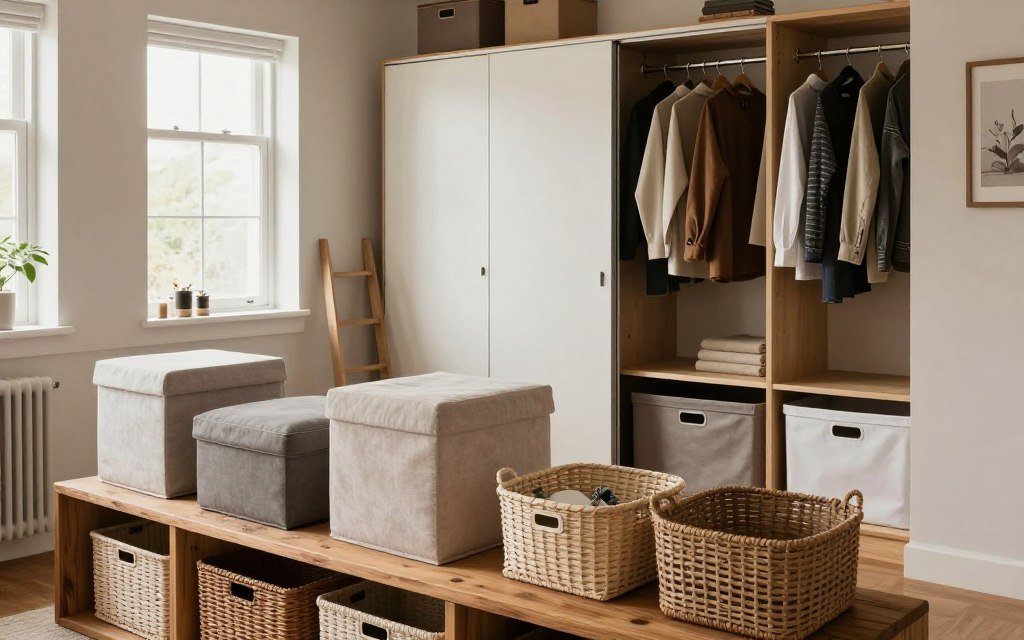
- Multi-Functional Furniture: If you have zero closet space, let your furniture do the heavy lifting. A storage bed (like the IKEA MALM series), a hollow ottoman, or a storage bench can hide an entire winter wardrobe in plain sight.
Phase 6: Pest Control and the “Future You” System
Protecting Your Wardrobe Naturally
Ditch the toxic, foul-smelling mothballs. Instead, use natural cedar blocks or lavender sachets.
- Crucial Tip: Cedar only repels moths when it actively smells like cedar. If your blocks have lost their scent, lightly sand them with fine-grit sandpaper to release the natural oils and reactivate them!
The Digital Inventory Hack
When your bins are shoved under the bed or on the highest shelf, you will forget what’s inside them.
- Label the outside: Use a label maker to clearly mark the bin (e.g., “Winter Knits 2024” or “Men’s Heavy Coats”).
- Create a digital list: Take 5 minutes to type out a quick inventory in your phone’s Notes app or a Google Sheet. Note the bin’s location and its top 3-5 contents. When you’re looking for your favorite Patagonia fleece in November, you won’t have to move three heavy boxes to find it.
Frequently Asked Questions (FAQ)
How do I prepare delicate fabrics like wool and cashmere for long-term storage?
Always clean natural fibers first. Use a specialized gentle detergent (like The Laundress Wool & Cashmere Shampoo) or take them to a trusted professional (like Tide Cleaners). Ensure they are completely dry, fold them with acid-free tissue paper, and store them in breathable cotton bags. Never vacuum-seal them.
How can I maximize storage space if I don’t have a large closet?
Look up and look down. Install high shelves near the ceiling for lightweight bins. Utilize the space under your bed with rolling containers. If you need seating, buy a storage ottoman. Every piece of furniture in a small home should have a hidden storage purpose.
Is it better to fold or hang seasonal clothing?
It depends entirely on the fabric. Fold knits, sweaters, t-shirts, and denim to save space and prevent stretching. Hang structured items like blazers, wool coats, and formal dresses to maintain their shape.
How do I protect my stored clothes from pests without using mothballs?
Clean the storage area thoroughly before bringing bins in. Use natural cedar blocks or lavender sachets (remember to sand the cedar when the scent fades!). Keep the storage area cool, dark, and dry, and ensure your bins have secure, tight-fitting lids.
When should I consider using an external climate-controlled storage unit?
Only use an external unit (like Public Storage or Extra Space Storage) as a last resort when your home is physically full. It is highly recommended for extremely high-value, sensitive items like vintage leather jackets, fur coats, or heirloom textiles that can be destroyed by fluctuating home humidity and heat.
Final Thoughts
Managing a seasonal wardrobe in a small home isn’t about sacrificing your style; it’s about curating your space. By taking the time to properly clean, pack, and store your off-season clothes, you aren’t just saving space you are protecting your investment.
When the season changes again, you won’t be greeted by musty smells or wrinkled fabrics. You’ll open your bins to find your favorite clothes fresh, safe, and ready to be worn. Start with just one drawer or one shelf today, and take back your space